


China’s First Kilowatt-Hour of Nuclear Power: SVF and China’s First Nuclear Power Plant
On 8 February 1970, China’s nuclear power history book was published. On that day, Prime Minister Zhou Enlai, after hearing a report on the power shortage in Shanghai, stated that, in the long run, the use of electricity in the East China region would require nuclear power generation.
This project has not only opened the way to the nuclear power industry in China, but has also brought an incomprehensible link between a 100-year-old valve company and the national nuclear power industry.
Autonomy: from “seven, two, eight” to eight priority plants
On 8 February 1970, China’s nuclear power development began. In 1974, China’s First Mechanical Industry Department came to Shanghai Valves to study and exchange research on plasma welding techniques, thereby formally entering the horizon of nuclear valves.
At the same time, our nuclear-grade valves were developed late and at a very low base, almost from zero. But the upper valves did not retreat. In 1976, the investment in short-line technology for the “728” engineering power plant was completed, and new thermal treatment workshops were built in the plant area, laying the hardware base for the production of the nuclear-grade valves.
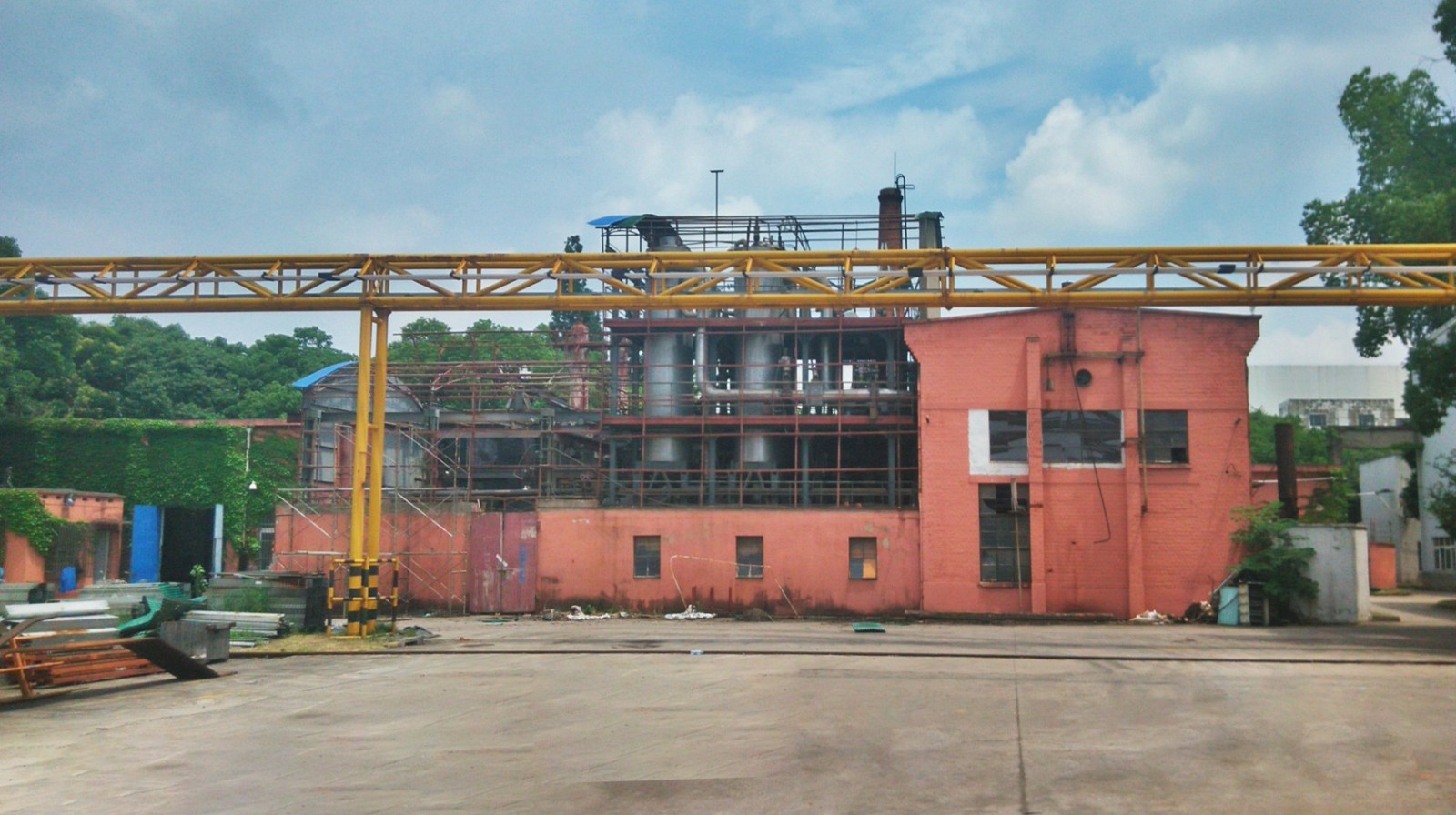 Attacking the disaster:From scratch.I'll be there.
In 1983, the upper valve began to test the prototype of the “seven-two-eight” project. This was a technical battle against time – a nuclear-grade valve that used a larger number of equipment components at a nuclear power plant and was a key component to ensure the safe operation of a nuclear power plant.
Only one year later, the upper valves handed over an exciting response – the trial 12 safety valves were all certified and successfully tested for total heat performance. In the same year, the nuclear power plant in Qinshan signed a production contract with the upper valve. In 1985, the head of the coordination group for engineering equipment in Shanghai City, in coordination with the Shanghai City Office, the Bureau of Mechanical Power, the General Group for petrochemicals, the Nuclear Engineering Research and Design Institute and the Qinshan Nuclear Power Plant, received and made detailed reports on the work of the upper valve’s personnel.
Filling domestic gaps:Casting nuclear valve milestones.
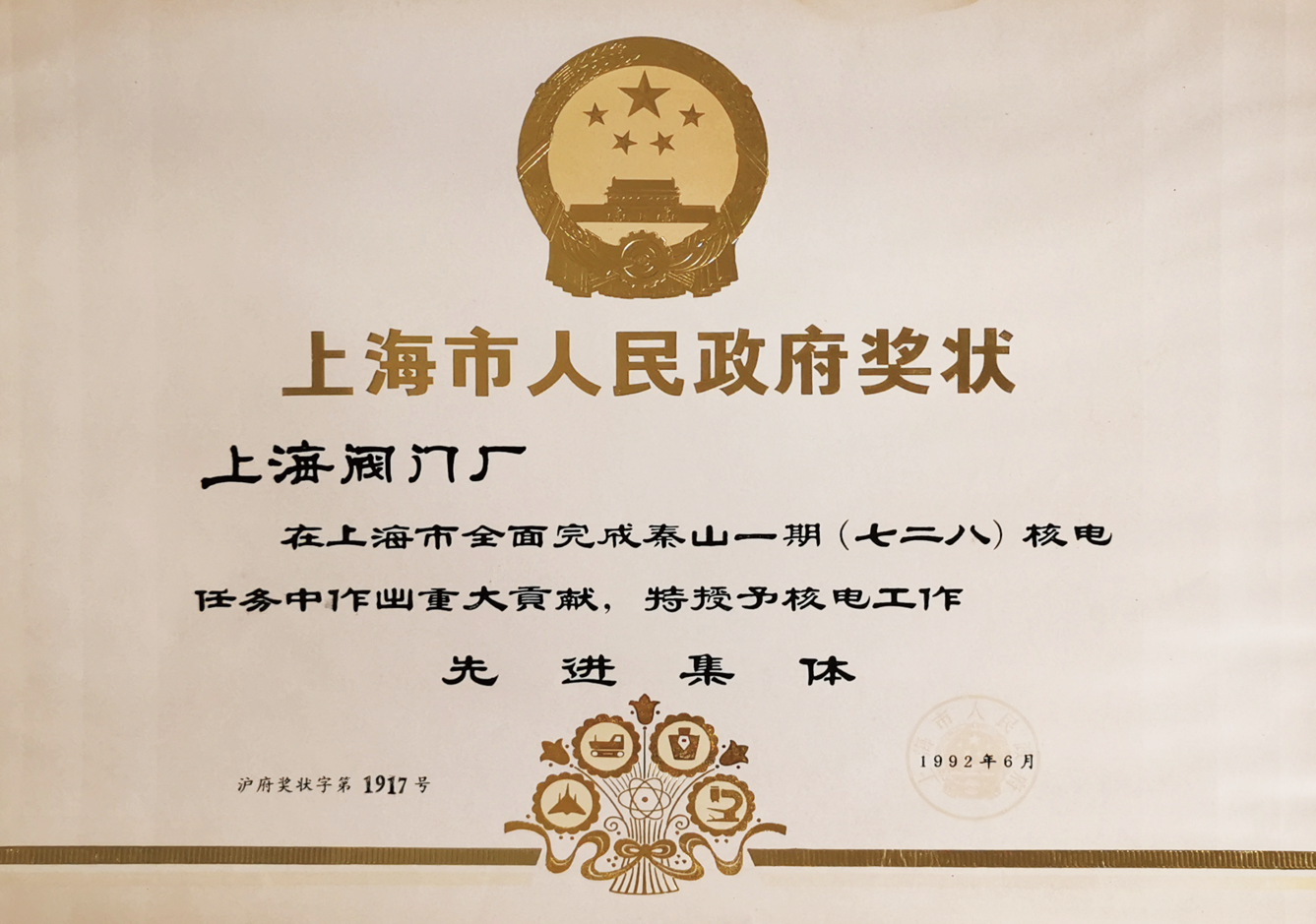
In 1989, the upper valve completed the first autonomous domestic development of the 300,000 kilowatt nuclear power plant valve project in Qinshan. In the “seventy-eight” project, the upper valve covered 64 specifications and 368 nuclear-grade valves, of which the circuit-aided safety valves were successfully tested, filling the gap in the country.
On December 15, 1991, at 00:14 a.m., the Qinshan nuclear power plant was officially connected to power generation. Not only did it put an end to the history of nuclear-free mainland China, but China became the seventh country in the world to be able to design and build its own nuclear power plant.
From Qinshan to the world
From the beginning of the Qinshan nuclear power plant, the upper valve's nuclear valves were extended. In the 1990s, the upper valves were involved in assisting Pakistan's first 300,000 kilowatt nuclear power plant valves. In the twenty-first century, the upper valves provided a large number of critical valves for the country's major nuclear power plant units, namely, Qinshan, Lingua, Tian Wan, Ningdeh, Yangjiang, Hongqiang, Fang Jiayama, Three Gates and Haiyang.
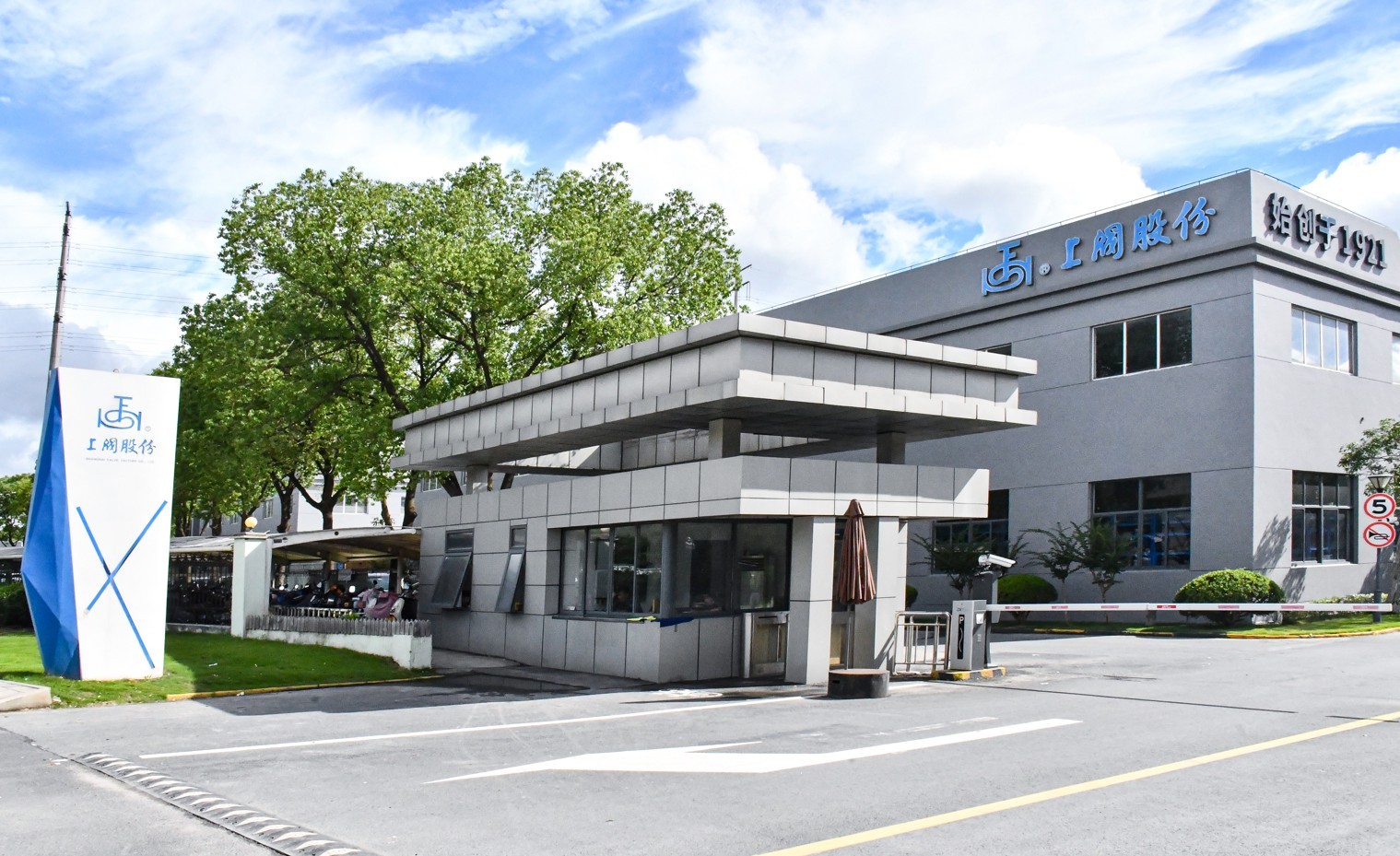 From the eight major plants of the 728 Project to China’s autonomous and manageable nuclear power plant today, SVF has witnessed and participated in China’s vast journey from zero to the world with half a century of nuclear power. Small valves, which run the one-off of large power heavy vehicles, will continue to protect nuclear safety with the help of craftsmen, and innovatively to help China’s nuclear power industry move steadily.
